
Originally Posted On: https://www.ucanpack.com/blog/post/what-are-side-loading-shipping-boxes-and-how-do-they-differ-from-top-loading-styles
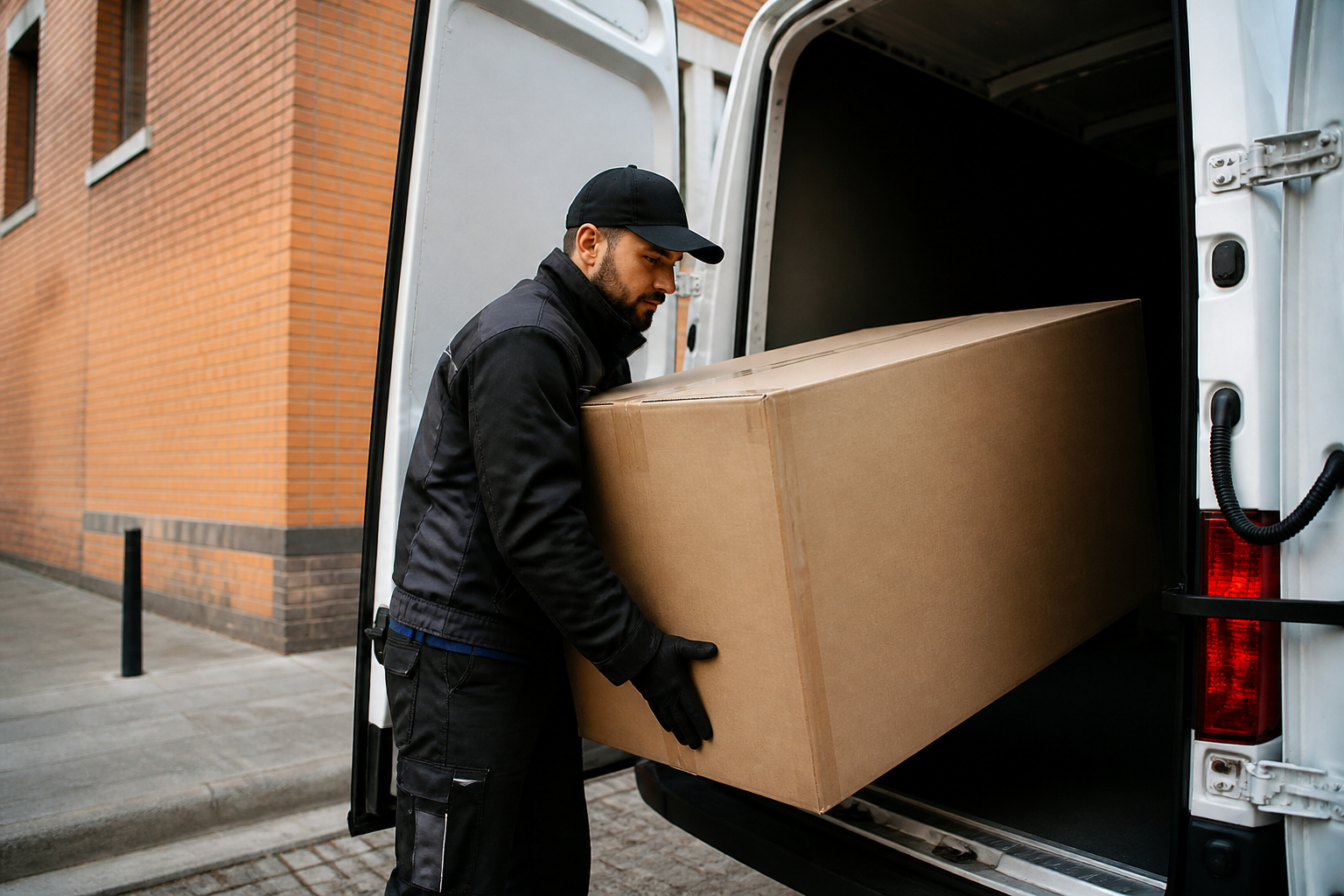
Try shoving a 48-inch poster tube or a scoped rifle through a top-flap box and you'll see the problem fast — the lid geometry just doesn't cooperate with long, flat, or awkward items. That's the exact gap side loading shipping boxes fill. Instead of folding flaps down from the top, these boxes open through a slide-out panel on the side, letting a packer slide product in without wrestling it over a lip or through a tight opening.
For fulfillment managers dealing with rifle cases, framed art, rods, or anything longer than it is wide, this box style changes the packing line's rhythm entirely. It's not a replacement for the standard RSC top loader — it's a different tool for a different shape problem. Here's what separates the two, when a side loader actually earns its spot on your shelf, and how it holds up once it hits a truck, a dock, or a long freight haul.
What is a side loading shipping box, exactly?
Picture a warehouse worker trying to slide a framed print or a long rifle case into a box from the top — the item catches on the flaps every time, and packing tape ends up holding the whole thing together out of frustration. That's the exact problem side loading shipping boxes solve. Instead of dropping product down through an open top, the box has a slot or sleeve on one long panel, letting flat, rigid, or oddly shaped goods slide in horizontally.
How the side-slide panel works compared to a flap-top lid
A standard RSC box closes with four flaps folded and taped shut on top. A side loader skips that step. One panel opens like a sleeve, the product slides in, and the end gets sealed — no crushing corners, no forcing a bulky item past tight flaps. This matters for anything long, flat, or top-heavy where a lid-style close risks bending the contents or the box itself.
Common industries that rely on side loaders (retail, print, gun and rifle shipping)
Print shops use them for posters and framed art. Retailers pack apparel racks or flat-pack goods like them for speed on the line. And firearms dealers depend heavily on this style for gun and rifle shipping, where a long barrel needs a straight, unobstructed path in. Some sellers even pair the style with color shipping boxes to keep branded, retail-ready packaging consistent across box types.
How do side loading boxes differ from top loading corrugated boxes?
Top loaders — side loaders solve two different packing problems. A top loader opens from the top flaps and relies on vertical fiber direction for stacking strength. A side loader opens along one panel, built for items that can't drop in from above without damage — think framed art, flat electronics, or gear that needs to slide in flat.
Load-bearing differences: why top loaders stack stronger
Corrugated fiber runs vertically in a standard RSC, so weight pushes down through the flute walls instead of across them. A side-opening panel breaks that continuous fiber path along one edge, which softens compression resistance. That's why warehouse teams reserve top loaders for pallet stacking in storage and reach for side loaders when the product's shape, not stack height, is the priority.
Access and packing speed differences on a fulfillment line
On a packing line, side access speeds things up for awkward items — no tilting, no fishing around inside a deep box. A packer slides the product in like a drawer, tapes one seam, done. This matters for anyone moving long shipping boxes full of poles, rods, or trim pieces where top-loading would mean bending the product to fit.
Sizing differences — long, flat, and oversized items like a 24x24x6 box
Side loaders show up most in flat and oversized formats — a 24x24x6 box for artwork, or slim kraft shipping boxes for panels and signage. Depth stays shallow while length and width carry the load, which keeps the item flat and secure.
When should a fulfillment manager choose a side loader over a top loader?
So which style actually fits your product line? The answer depends on shape, length — and how much handling the item can take before it gets damaged. Side-loading shipping boxes earn their keep with long or flat items that would otherwise need awkward folding or extra void fill inside a standard box.
Best fit for rifle shipping boxes with foam inserts
Rifle shipping boxes with foam cradles need a side-access design because loading a firearm through a top flap risks scraping the finish — shifting the foam. A side loader lets the item slide in flat, foam and all, with pressure distributed along the length rather than dropped in from above.
Best fit for long shipping boxes near me searches (posters, rods, frames)
Anyone searching for long shipping boxes near me is usually shipping poster tubes, curtain rods, or picture frames — items where length outweighs bulk. Side loaders keep these pieces from bowing in the middle, something top-loading bulk shipping boxes struggle with once you exceed 40 inches.
When a standard RSC top loader is still the smarter pick
For compact, stackable orders — apparel, small electronics, subscription items — stick with top loaders. Regular Slotted Containers and mailer shipping boxes load faster on a packing line and use less corrugated board per unit.
Are side loading boxes strong enough for freight and long-haul shipping?
Here's a number that surprises most fulfillment managers: a well-built side loader with C-flute board can hold up under stacking pressure nearly as well as a top loader of the same footprint — the difference comes down to how the slot is reinforced, not which wall the flap sits on. For freight — long-haul moves, that's the detail that decides whether product arrives intact or crushed at the dock.
Edge Crush Test ratings and flute choice for side loaders
ECT ratings matter more than the loading direction. A 32-ECT box built with B-flute or C-flute board stacks fine in a trailer; going with E-flute on anything over a few pounds is asking for trouble. For bulkier freight loads, sourcing through wholesale shipping boxes gets you consistent flute grades instead of the mixed-quality mess you get buying single units off a shelf.
Reinforcing a side loader with tape and corner protection for truck and dock handling
Truck and dock handling beats up the slot edge faster than any other stress point. Three fixes work every time:
-
Run filament tape across the side seam, not just the top flap
-
Add corner protectors before palletizing
-
Avoid stacking side loaders more than 4 high without a slip sheet
For lighter goods, shipping mailer boxes handle single-parcel runs just fine without the extra reinforcement freight demands.
Where can a small business buy or customize side loading shipping boxes?
Most fulfillment managers assume side loaders are a specialty item you can only get through a custom manufacturer with a six-week wait. That's not true anymore. Plenty of packaging suppliers stock common sizes and offer low-minimum custom runs, so a small operation shipping 200 orders a month can get the same box style as a warehouse moving pallets daily.
Stock sizes versus custom-cut side loaders for assorted shipping boxes
Stock side loaders cover the usual suspects — rectangular electronics, framed art, folded apparel — and ship fast without tooling charges. But assorted shipping boxes rarely fit oddly shaped products cleanly, and that's where custom-cut side loaders earn their spot on the shelf. If your catalog includes long, narrow items or products near 24 inches on one side, custom cutting avoids the gaps that force extra void fill. Businesses shipping delicate retail goods often pair a clean interior with white shipping boxes for a more polished, labelable exterior, while heavier freight-style loads need thicker walls — something worth confirming with shipping boxes for heavy items before committing to a bulk order.
Getting samples before a bulk warehouse or distribution center order
Don't skip the sample step. A single test box run through your actual packing line reveals flap fit, panel strength, and load balance long before a distribution center commits pallets of stock to a size that doesn't work.
Picking between box styles isn't about which one wins — it's about matching the container to the product. Side loading shipping boxes solve a real problem: getting long, flat, or delicate items in and out without wrestling them through a top flap. Top loaders still win on stacking strength and dock handling, so a warehouse running both styles side by side isn't overcomplicating things — it's covering its bases. For rifles, framed art, rods, or anything that needs a snug foam channel and a clean slide-out, the side-load design earns its keep. Just don't skip the reinforcement step; a taped seam and reinforced corners make the difference between a box that survives freight and one that doesn't.
Before committing to a pallet's worth of any box style, order a handful of samples first. Test the fit with your actual product, check how it handles on your packing line, and only then place the bulk order. That one extra step — cheap, fast, and easy to skip — saves far more in damage claims than it costs.
UCANPACK
753A Tucker Rd
Winder, GA 30680
1 201-975-6272
https://ucanpack.com


