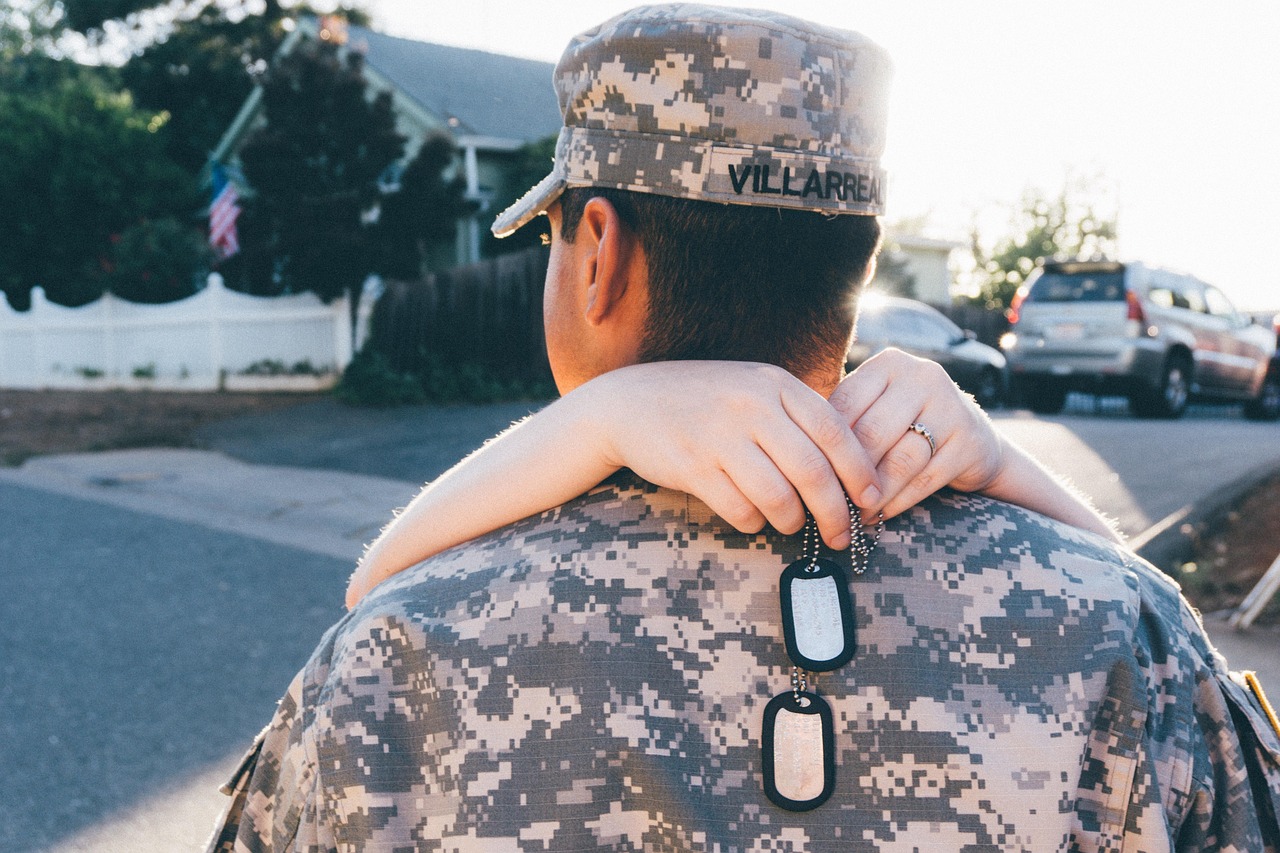
With TriWest now running both TRICARE West and VA Community Care in California, OC veterans have a clearer path to confidential outpatient addiction care.
ORANGE COUNTY, CA, UNITED STATES, June 26, 2026 /EINPresswire.com/ — A series of significant changes to the way the Department of Veterans Affairs (VA) delivers community-based care is reshaping how veterans in Orange County access addiction and mental health treatment. With TriWest Healthcare Alliance now serving as the administrator for both the TRICARE West Region and the VA’s Community Care Network (CCN) across California, the path from a struggling veteran to a qualified, in-network treatment provider has become more navigable than at any point in recent memory. Asana Recovery, a leading provider of outpatient addiction and mental health treatment in Orange County, is helping veterans and their families understand what these changes mean and how to take advantage of them.
A Single Administrator Now Connects Two Major Programs in California
For years, one of the most confusing aspects of veteran and military health care was the patchwork of contractors managing different programs. That picture has simplified considerably for those living in California and the wider western United States.
As of January 1, 2025, TriWest Healthcare Alliance took over administration of the TRICARE West Region from the previous contractor, covering 26 states including California. TriWest also continues to serve as the third-party administrator for the VA’s Community Care Network in the regions that include California, a role it has held since 2014. In practical terms, this means the same organization now sits at the center of community care for both active-duty families and retirees using TRICARE and veterans using the VA system.
For an Orange County veteran trying to find addiction treatment outside a VA facility, this consolidation matters. It reduces the number of moving parts, creates more consistency in how provider networks are built, and makes it easier for treatment centers like Asana Recovery to coordinate care across the programs a single family may be using. Asana Recovery has rebuilt its veteran outpatient treatment program in Orange County around exactly this reality, with clear guidance on both TRICARE and VA Community Care coverage through TriWest.
If you are a veteran in crisis or having thoughts of suicide, help is available right now. Call the Veterans Crisis Line by dialing 988 and pressing 1, or text 838255, for free, confidential support 24/7.
Understanding VA Community Care and the MISSION Act
VA Community Care is not a new benefit, but it has grown into a central pillar of veteran health care. The program allows eligible veterans to receive treatment from non-VA providers at the VA’s expense when access standards or specific clinical needs require it. The bipartisan VA MISSION Act of 2018 expanded and protected this right, establishing the conditions under which veterans can choose care outside the VA system. Today, a substantial share of all VA health care is delivered through community providers rather than inside VA facilities directly.
For addiction treatment, this is especially meaningful. Substance use disorders often require timely intervention, and the difference between getting help this week versus three months from now can be life-changing. When a VA facility cannot offer an appointment within the established access standards, or when the right specialized program isn’t available in-house, community care becomes the bridge to treatment. This is particularly true for veterans whose addiction is entangled with post-traumatic stress — a combination that demands specialized PTSD and trauma treatment in Orange County rather than a generic program.
Orange County is home to a large veteran population, and the demand for behavioral health and substance abuse services consistently outpaces what local VA facilities can provide on their own. Community Care helps close that gap by allowing veterans to receive care at qualified outpatient programs in their own neighborhoods.
Recent Changes That Directly Benefit Veterans in Treatment
Several federal developments over the past year have made community-based addiction treatment more accessible and less burdensome for veterans.
Yearlong Authorizations Reduce Treatment Interruptions. In August 2025, the VA announced that it would extend Community Care Network authorizations to a full 12 months for 30 standardized types of care. Previously, some authorizations were re-evaluated every three to six months, which could interrupt ongoing treatment and create administrative headaches for both patients and providers. Under the updated policy, eligible veterans referred to community care can receive a full year of treatment before requiring VA reauthorization. This change is particularly valuable for addiction recovery, which is rarely a quick fix. Recovery from a substance use disorder, especially when it coexists with conditions like PTSD, depression, or anxiety, takes sustained, uninterrupted engagement.
Faster Scheduling Through New VA Technology. The VA has also been rolling out improved scheduling technology designed to connect veterans with community providers more quickly. By giving VA schedulers more direct visibility into community provider availability, the goal is to cut the time it takes to book an appointment from days or weeks down to a matter of minutes. For a veteran in crisis, that reduction in wait time can be the difference between reaching out and giving up.
Coordination Between the VA and Department of Defense. Recent legislation has also called for closer cooperation between the VA and the Department of Defense on health care delivery, including broader access to military medical facilities and better coordination across systems. For military families in Orange County who may transition between active-duty TRICARE coverage and veteran status, this growing alignment promises a smoother experience over time.
The TRICARE West Transition: What Military Families Should Know
While much of the conversation focuses on veterans, Asana Recovery also serves active-duty service members, retirees, and their families who rely on TRICARE. The 2025 transition to TriWest as the TRICARE West Region contractor brought changes that beneficiaries should understand.
Importantly, no beneficiary lost TRICARE coverage as a result of the transition. However, the changeover did introduce a period of adjustment, including updates to provider networks and referral processes. The Defense Health Agency repeatedly extended certain deadlines and waivers throughout 2025 to ensure that beneficiaries could continue receiving specialty care without interruption during the transition.
For families seeking mental health or substance abuse treatment, TRICARE covers a range of behavioral health services. Beneficiaries should confirm that their chosen provider is TRICARE-authorized and understand their referral requirements, which can vary depending on whether they are enrolled in TRICARE Prime or TRICARE Select. Asana Recovery’s admissions team helps military families navigate these requirements and verify coverage before treatment begins. And families should know that crisis support is never tied to paperwork or eligibility status — the Veterans Crisis Line (988, then press 1) is available to service members, veterans, and their loved ones at any hour.
What’s Changing in 2026 and Beyond
In December 2025, the VA issued a formal request for proposals to restructure the Community Care Network from five regions into two larger networks, often described as East and West. These “next-generation” contracts are designed to replace agreements expiring in 2026 and will shape how community care is administered for the next decade.
It is important for veterans to understand what this restructuring does and does not change. According to the VA, the reorganization affects how contracts are competed and overseen — not who qualifies for care. The VA has not announced changes to eligibility rules, referral requirements, access standards, or covered services as part of this shift. In other words, a veteran’s right to seek community-based addiction treatment when the VA cannot provide timely care remains firmly in place.
How Asana Recovery Supports Veterans and Military Families
Asana Recovery’s outpatient programs in Orange County are designed to address the specific challenges veterans and first responders face, including post-traumatic stress disorder, depression, anxiety, and co-occurring substance use disorders. The center offers evidence-based therapies including Cognitive Behavioral Therapy (CBT) and Eye Movement Desensitization and Reprocessing (EMDR), both of which have strong track records in treating trauma alongside addiction.
Because so many veterans struggle with both a mental health condition and a substance use disorder simultaneously, Asana Recovery places particular emphasis on integrated dual-diagnosis treatment that addresses both at once rather than treating them in isolation. The center’s flexible outpatient structure, including Intensive Outpatient Programs (IOP), allows veterans to receive comprehensive care while maintaining their work, family, and community responsibilities.
Confidentiality is a cornerstone of this care. Veterans and military families are protected by federal privacy laws, and Asana Recovery maintains strict protocols to safeguard the privacy of those it serves. The admissions team works directly with TriWest, TRICARE, and other payers to verify benefits, clarify referral requirements, and minimize out-of-pocket costs, so that financial uncertainty never stands between a veteran and the help they need.
Steps Orange County Veterans Can Take Today
Veterans who believe they may benefit from addiction or mental health treatment can take several practical steps. First, talk to your VA primary care team, since eligibility for Community Care generally flows through a referral. Second, ask specifically about Community Care if the VA cannot offer timely access or the right specialized program. Third, verify your benefits and confirm your chosen provider is in-network, whether you are using VA Community Care through TriWest or TRICARE coverage. Fourth, reach out to a provider experienced in working with veterans, who can help you understand your options and coordinate with the VA or TriWest on your behalf. And finally, do not delay in a crisis: veterans experiencing a mental health crisis can reach the Veterans Crisis Line by dialing 988 and pressing 1, or by texting 838255, for immediate, confidential support at any hour.
About Asana Recovery
Asana Recovery is a licensed addiction and mental health treatment provider based in Orange County, California, offering outpatient and intensive outpatient programs for substance use disorders and co-occurring mental health conditions. With a focus on evidence-based, trauma-informed care, Asana Recovery serves veterans, first responders, military families, and the broader Orange County community. The center is committed to delivering compassionate, confidential treatment that helps individuals reclaim their lives while maintaining their daily responsibilities.
To learn more about treatment options or to verify insurance and VA Community Care benefits, visit asanarecovery.com or contact the admissions team directly.
Mark Shandrow
Asana Recovery
+1 949-763-3440
email us here
Visit us on social media:
LinkedIn
Instagram
Facebook
YouTube
X
Legal Disclaimer:
EIN Presswire provides this news content “as is” without warranty of any kind. We do not accept any responsibility or liability
for the accuracy, content, images, videos, licenses, completeness, legality, or reliability of the information contained in this
article. If you have any complaints or copyright issues related to this article, kindly contact the author above.

Media gallery