

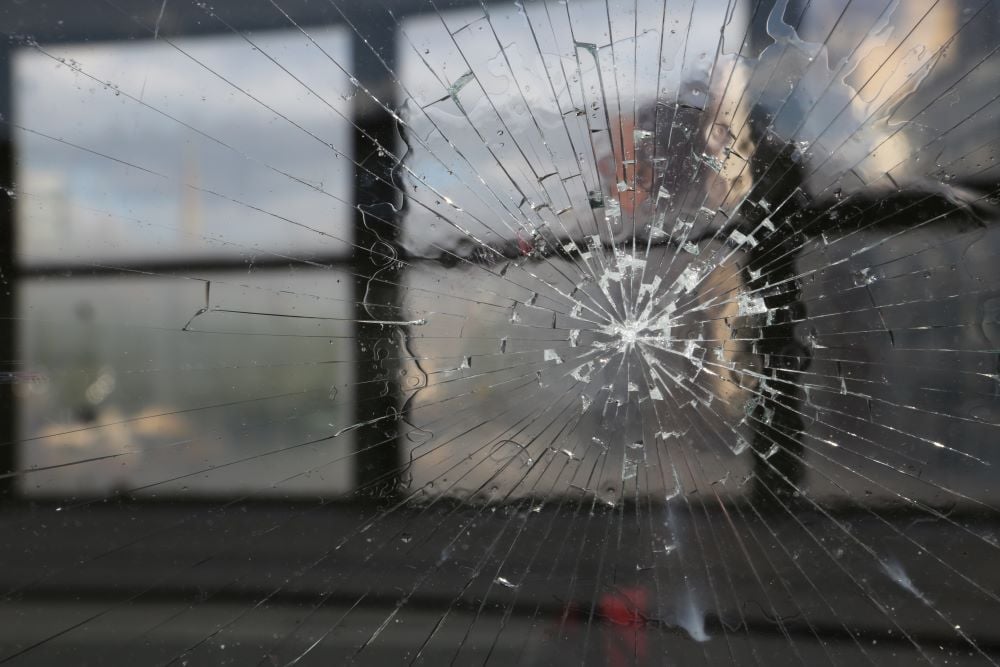
A shattered or cracked window can happen without warning, whether from a storm, an accidental impact, or general wear over time. Knowing how to respond in the first few minutes can reduce the risk of injury and prevent further damage to the property.
Assess the Situation Before Approaching the Glass
The first step after a window breaks is to stay calm and check the area for immediate hazards. Broken glass can travel further than expected, especially if the impact was forceful, so it is worth checking the surrounding floor, furniture, and outdoor areas for stray fragments. If anyone in the property has been injured, addressing that takes priority over the glass itself. Keep children and pets away from the area until it has been fully cleared.
Clear the Area Safely
Once it is safe to do so, begin removing loose glass fragments using thick gloves and, ideally, safety glasses. Larger shards should be picked up by hand and placed carefully into a sturdy container, while smaller pieces and shards can be swept up with a broom rather than a vacuum, as fine glass dust can damage vacuum components or become airborne.
A damp cloth or paper towel can help pick up any remaining small fragments that a broom might miss. Wrapping broken pieces in newspaper or cardboard before disposal reduces the risk of injury to anyone handling household waste later.
Secure the Opening Temporarily
If the window frame is left open or only partially intact, the property becomes vulnerable to weather, dust, insects, and potential security risks. A temporary covering, such as plywood, heavy plastic sheeting, or cardboard taped securely into place, can protect the interior until proper repairs are made. Experts from SOS Glass Services, Rockdale, NSW, explain that this step is particularly important overnight or during periods of rain or wind, as prolonged exposure can cause damage well beyond the original break.
Document the Damage
Before any repair work begins, it helps to photograph the broken window from multiple angles, including close-up shots of the crack or break pattern. This documentation can be useful for insurance claims, particularly if the damage resulted from a storm, break-in, or accident covered under a home or business policy. Noting the date, time, and suspected cause of the damage alongside the photos creates a clearer record for any future reference.
Avoid Common Mistakes
It can be tempting to patch a broken window with tape or attempt a full replacement without professional input, particularly for a quick fix. However, incorrect glass type, thickness, or installation can create ongoing safety risks, especially in areas subject to building compliance requirements.
Windows near stairways, in bathrooms, or at low height from the floor often have specific safety glazing requirements, and using standard glass in these locations may not meet current building standards. Attempting to remove large or oddly shaped broken panes without the right tools also increases the risk of further injury.
Know When to Call for Professional Repair
While minor cracks in non-critical areas might not need urgent attention, a fully broken or missing pane usually calls for prompt professional repair. This is especially true for ground-floor windows, shopfronts, or any glazing that affects the security of a home or business. A qualified glazier can assess whether the damage requires a straightforward pane replacement or a more involved repair to the surrounding frame.
Plan for Prevention
Once a broken window has been addressed, it is worth considering whether preventive measures could reduce the likelihood of future damage. Toughened or laminated glass options offer greater resistance to impact in high-traffic or exposed areas, while regular checks of window seals and frames can catch early signs of wear before they lead to a full break. For properties in storm-prone areas, monitoring weather forecasts and securing loose outdoor items ahead of severe weather can also help protect glazing from unexpected impact.
Weighing Repair Against Replacement
Not every broken window needs a full pane replacement. In some cases, a crack confined to one corner or edge might be manageable with a repair, depending on the glass type and the extent of the damage. A professional assessment can clarify which option is more practical, factoring in cost, the age of the existing glass, and whether matching the original pane is feasible.
SOS Glass Services Pty Ltd
34 Verdun Street
Bexley
NSW
2207
Australia