
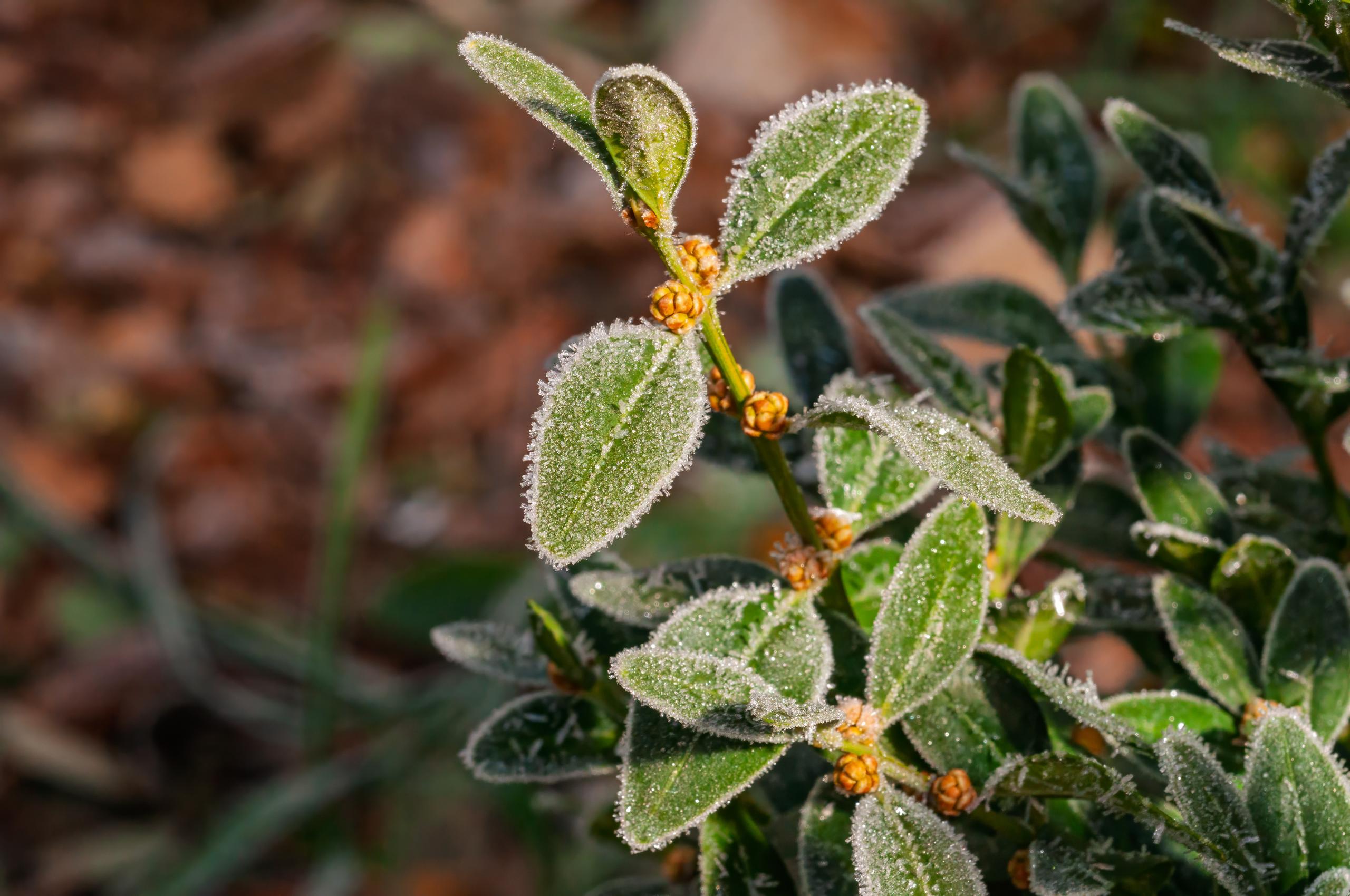
Key Takeaways
- Draining irrigation pipes and insulating exposed spigots before the first hard freeze helps prevent burst pipes and costly repairs.
- A 3 to 4-inch layer of mulch applied before cold weather arrives helps protect plant roots and crowns from extreme temperatures.
- Container plants face more cold risk than in-ground plants because their roots are exposed on all sides, so moving pots to sheltered spots matters.
- Timing pruning to a plant’s dormancy and bloom habits prevents accidental damage to next season’s flowers.
- Knowing which plant covers work best, and which materials to avoid, can make the difference between a garden that bounces back and one that does not.
Going from the intense summer heat to an unexpected frost in just a few short weeks can shock even the most hardened plants. West Texas winters have a habit of turning mild afternoons into hard freezes overnight, and gardens (or their plants) rarely get much warning. A little preparation now can mean the difference between a garden that sails through winter and one that needs costly repairs come spring.
Experts at Johansen Landscape & Nursery in Big Spring, TX, emphasize that winter garden preparation should begin with identifying the most vulnerable parts of a landscape. Exposed irrigation components, tender plants, and container gardens often need attention before freezing temperatures arrive. Taking care of these areas early gives homeowners more time to address potential problems and reduces the risk of preventable damage during sudden West Texas cold snaps.
Don’t Let a Freeze Catch You Off Guard
Cold snaps in West Texas tend to arrive fast, often with only a day or two of warning from local forecasts. Waiting until a freeze warning is posted leaves very little time to protect pipes, cover plants, and move containers to safety, so starting early in the fall gives every task room to get done properly.
Thinking through a winter prep checklist well before temperatures drop also helps avoid the scramble of trying to find pipe insulation or frost cloth at the last minute, when store shelves tend to empty out fast. The sections below walk through exactly what to protect, in what order, and why each step matters.
Shut Down Pipes and Irrigation First
Before worrying about flower beds or potted plants, attention should turn to the plumbing and irrigation running through the yard. Locating drainage and cutoff valves ahead of time means there’s no fumbling around in the dark trying to find them once a freeze warning is already posted.
Drain Pipes, Hoses, and Sprinkler Lines
Garden hoses left connected to an outdoor spigot are one of the most common sources of winter damage, since trapped water inside the hose can freeze and push backward into the pipe. Irrigation systems need similar attention. For both, disconnecting and fully draining every hose and pipe before winter arrives removes that risk entirely.
Skipping these steps even once can lead to a cracked line that goes unnoticed until the system is turned back on in spring, often revealing the damage as a flooded yard.
Insulate Spigots, Valves, and Backflow Devices
Even after draining, exposed fittings benefit from an extra layer of protection against sudden cold. Foam pipe insulation wrapped around exposed PVC lines, along with insulated covers placed over outdoor faucets, adds a buffer that can prevent freeze damage during a hard freeze.
Shield Garden Beds From the Cold
Once the plumbing is handled, attention can shift to the plants still growing in the ground. Garden beds face cold stress differently depending on what’s planted, but a few universal strategies help protect root systems and tender growth across the board.
Mulch Roots and Perennial Crowns
Applying mulch is one of the simplest and most effective ways to buffer soil temperature swings. A layer measuring 3 to 4 inches deep helps retain moisture and shield roots from extreme cold, and getting that mulch down before the first hard freeze matters more than the exact timing within fall. Mulched leaves or shredded bark piled around the crowns of tender perennials offers extra insulation right where it’s needed most, though that extra layer should be pulled back before new growth resumes in spring so the crown doesn’t stay too wet or smothered.
Cover Sensitive Plants the Right Way
Not every plant needs a cover, but cold-sensitive varieties benefit greatly from a layer of protection on especially frosty nights. Frost cloth, old bedsheets, blankets, or burlap all work well because they trap heat rising from the soil underneath. A few details make a real difference in how effective a cover turns out to be:
- Drape the cover so it reaches all the way to the ground, sealing in the warmth radiating up from the soil.
- Avoid letting plastic sheeting touch leaves directly, since plastic conducts cold and can damage foliage anywhere it makes contact; if plastic is the only option, use stakes or a frame to hold it away from the plant.
- Remove covers during the day so sunlight can warm the soil again, then replace them before nightfall if more cold is expected.
- Water the soil earlier in the day if a freeze is expected, since moist soil holds heat better than dry soil, but avoid wetting the foliage itself right before temperatures drop, as droplets freezing on leaves and branches can cause more harm than good.
Give Potted Plants Extra Care
Container gardens need a different strategy than in-ground beds, mainly because pots expose roots to cold air from every direction rather than just from above. That difference means potted plants often need to move location entirely rather than simply being covered in place.
Move Containers to Sheltered Spots
Because container roots get colder faster than roots growing in open ground, relocating pots during a hard freeze is often the most reliable form of protection. A garage, an enclosed porch, or even a spot tucked against a protected side of the house can shield pots from the worst of the wind and cold. Grouping several containers together in one sheltered area, then piling mulch or leaves around and between the pots, adds another layer of insulation for plants that can’t come indoors.
Check for Pests Before Moving Plants Indoors
Any plant headed indoors for the winter deserves a close inspection first. Checking leaves, stems, and the soil surface for insects or signs of disease prevents a small problem from spreading to other houseplants once everything is gathered together in a warm space. Wiping down or rinsing the pot itself also helps, since pests and pathogens sometimes hide along the rim or inside the saucer where they’re easy to overlook.
Adjust Watering and Feeding Through Winter
Potted plants slow their growth considerably once temperatures drop, and their water needs drop right along with it. Checking the top inch of soil before watering helps avoid the overwatering that leads to root rot, a common problem when winter watering habits don’t change along with the season. Fertilizing should pause through the dormant months as well, picking back up only once new growth appears in spring as a sign the plant is actively growing again.
Time Pruning for Winter Dormancy
Pruning timed to a plant’s natural dormancy period prevents a lot of unnecessary stress and wasted effort. Waiting until plants have gone fully dormant before cutting back growth allows wounds to heal more slowly and safely, rather than triggering new growth that cold weather would immediately damage. Removing dead limbs and overlapping branches during this dormant window also makes it easier to see a plant’s overall structure.
Bloom timing matters just as much as dormancy when deciding what to prune and when. Shrubs that bloom on new wood, meaning the current season’s growth, can be pruned through winter into early February without sacrificing next season’s flowers. Shrubs that bloom on old wood, meaning growth from the previous season, need to wait until immediately after their spring flowering to be pruned, since cutting them back too early removes the very buds that would have opened into blooms.
Early Prep Keeps Plants and Pipes Safe
A well-prepared garden handles a sudden freeze without much drama, largely because the groundwork gets laid weeks before the cold ever arrives. Draining irrigation lines, insulating spigots, mulching beds, covering sensitive plants, relocating containers, and timing pruning correctly all work together as a single winter-readiness plan rather than a list of unrelated chores.
For homeowners in Big Spring and surrounding West Texas communities, winter garden preparation starts with understanding the specific needs of their plants and outdoor spaces. Those looking for more information on climate-appropriate plant selection, landscape maintenance, and irrigation services can explore the resources available through Johansen Landscape & Nursery.
Johansen Landscape & Nursery
700 Johansen Road
Big Spring
TX
79720
United States


